




Copper Wire Drawing Guides
Technical ceramic guides are manufactured for wire drawing plants — copper above all — and for the cable industry. The parts are used at the passage and change-of-direction points of the wire along the line.
Eyelet, rolling, tube, rod and special-shaped guides are produced to suit different mounting arrangements. Requests for custom sizes are handled on the basis of a technical drawing.
Points of use
- Drawing line passages
- Winding
- Twisting and cable lines
Wire drawing guide groups
The groups relevant to wire drawing applications are listed below. The dimensions belong to the geometry of the part itself; they do not directly indicate the wire diameter.
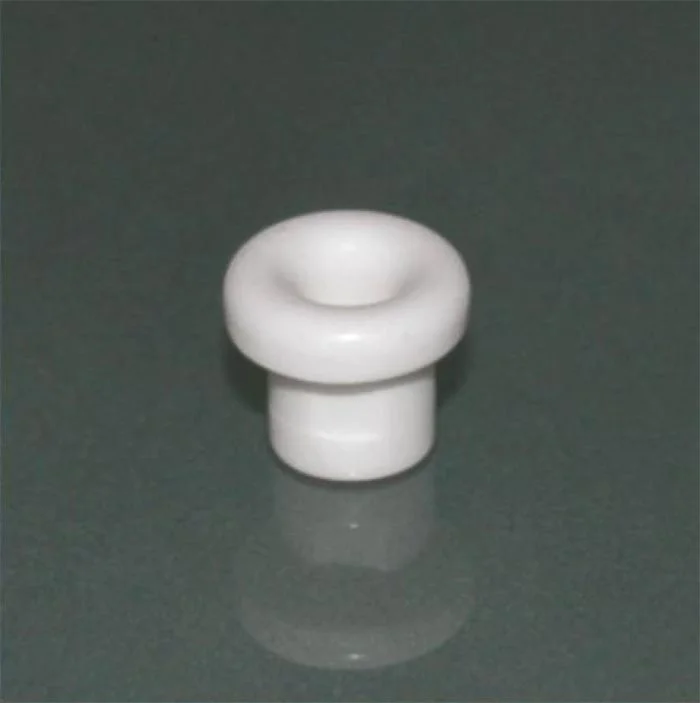
Eyelet Guides
Ceramic eyelets used at the points where yarn and wire pass through. Different bore and body sizes adapt them to a range of mounting arrangements.
View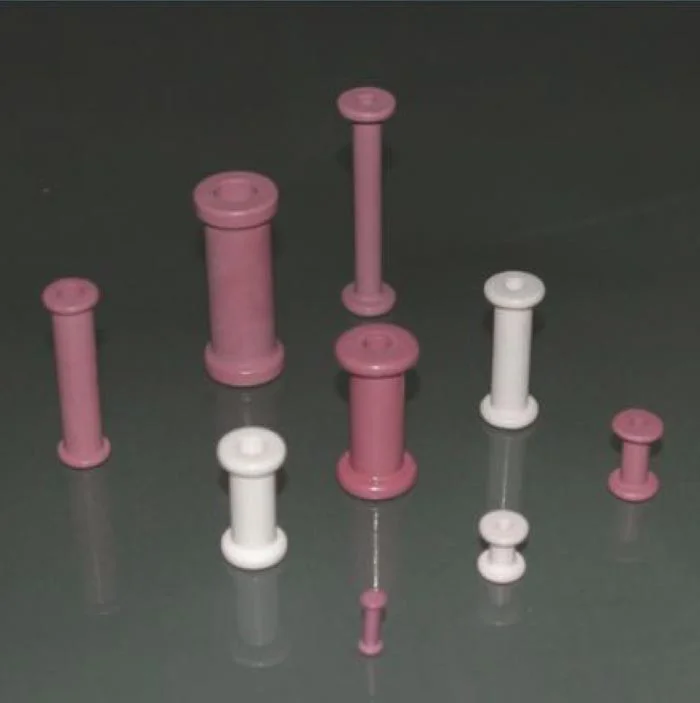
Rolling Guides
Ceramic rollers used to steer yarn and wire. The working surface and the connection dimensions are chosen according to the application.
View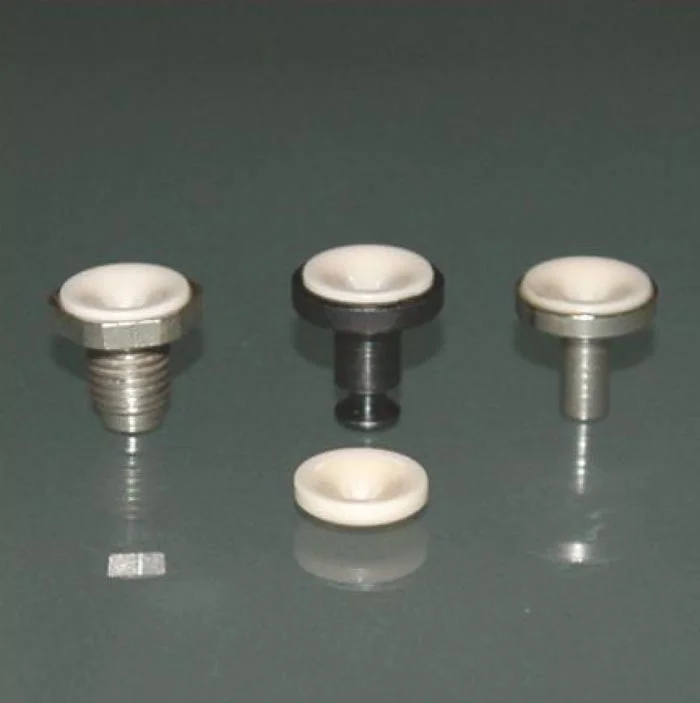
Take-Off Guides
Ceramic take-off guides with a central bore, used where the yarn passes through. The right model is determined by the pass-through geometry and the mounting dimensions.
View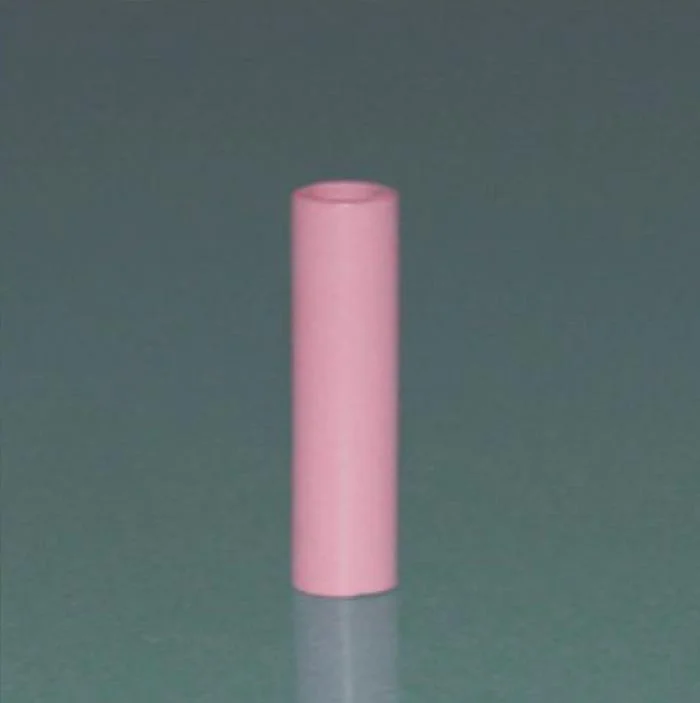
Tube Guides
Tube-shaped ceramic guides used where yarn and wire pass through the machine. Selected according to the inside diameter, the length and the end geometry.
View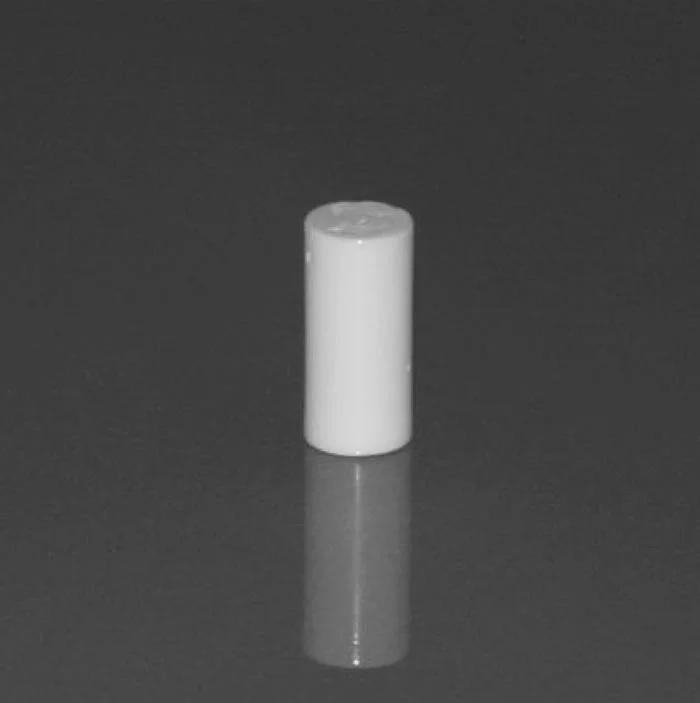
Rod Guides
Ceramic rods over which yarn or wire is passed and steered. The diameter, the length and the contact arrangement are determined by the application.
View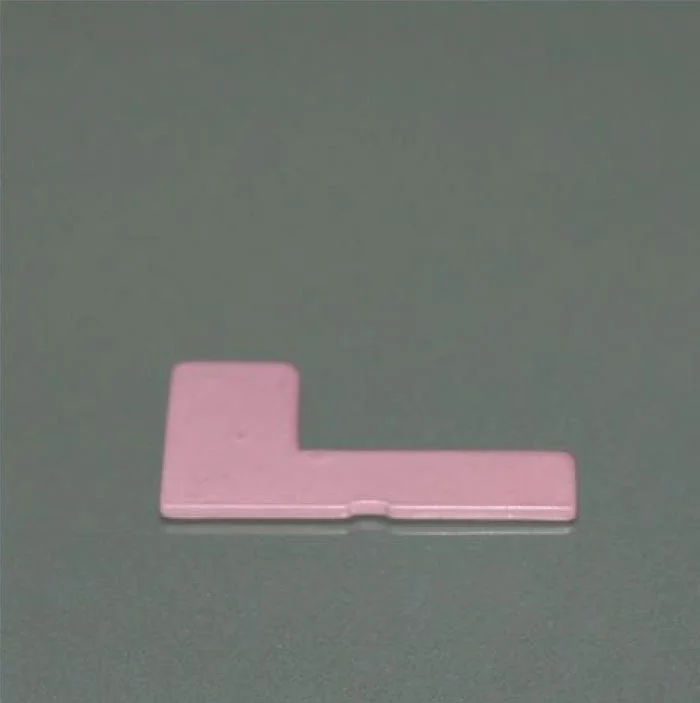
Special Guides
Special-shaped ceramic guides produced for different machines and applications. Alongside the catalogue models, requests for production to a drawing are assessed.
View
Why does the guide surface matter?
The guide is exposed to friction as the wire passes. The geometry and quality of the contact surface determine the service life of the part.
- High hardness gives resistance to wear on the contact surface.
- The required surface roughness can be set through polishing options.
Size ranges in the catalogue
| Group | Products | Part diameter Ø (mm) |
|---|---|---|
| Eyelet Guides | 633 | 0.3 – 79.3 |
| Rolling Guides | 247 | 1.3 – 168 |
| Take-Off Guides | 13 | 2.4 – 29 |
| Tube Guides | 338 | 0.7 – 90 |
| Rod Guides | 138 | 1.3 – 19.3 |
| Special Guides | 495 | 0.5 – 120 |
The values are the smallest and largest part diameters (Ø) in the catalogue; they do not indicate the diameter of the yarn or wire being processed.
Frequently asked questions
Which material is used in copper wire drawing?
Alumina is used in most cases. Where mechanical loads are high, zirconia is preferred.
How are the dimensions determined?
The code, the dimensions or the drawing of the current part is sent, and production follows it. The bore and outside diameter figures in the catalogue are dimensions of the part itself, not the wire diameter.
Can a size not found in the catalogue be produced?
Yes. Dimensions and quantity are sent through the “Custom Production Request” button on the product page; where a drawing or a sample is available, production follows it.
Does a ceramic guide damage the wire?
A sound, correctly aligned guide protects the surface of the wire. A worn or displaced guide can leave marks; the surface and the mounting should be checked from time to time.